The Essential Guide for Handling Accident Lawsuits Through a Personal Injury Lawyer
Handling accident lawsuits poses numerous challenges that can overwhelm individuals wanting justice. An accomplished personal injury lawyer fulfills an essential role in simplifying this multifaceted process. From providing immediate support after an accident to managing intricate legal details, their competence is precious. Learning the stages involved and the importance of proper evidence preservation can greatly determine a case. What are the required actions one should take immediately following an accident? The answer lies ahead.
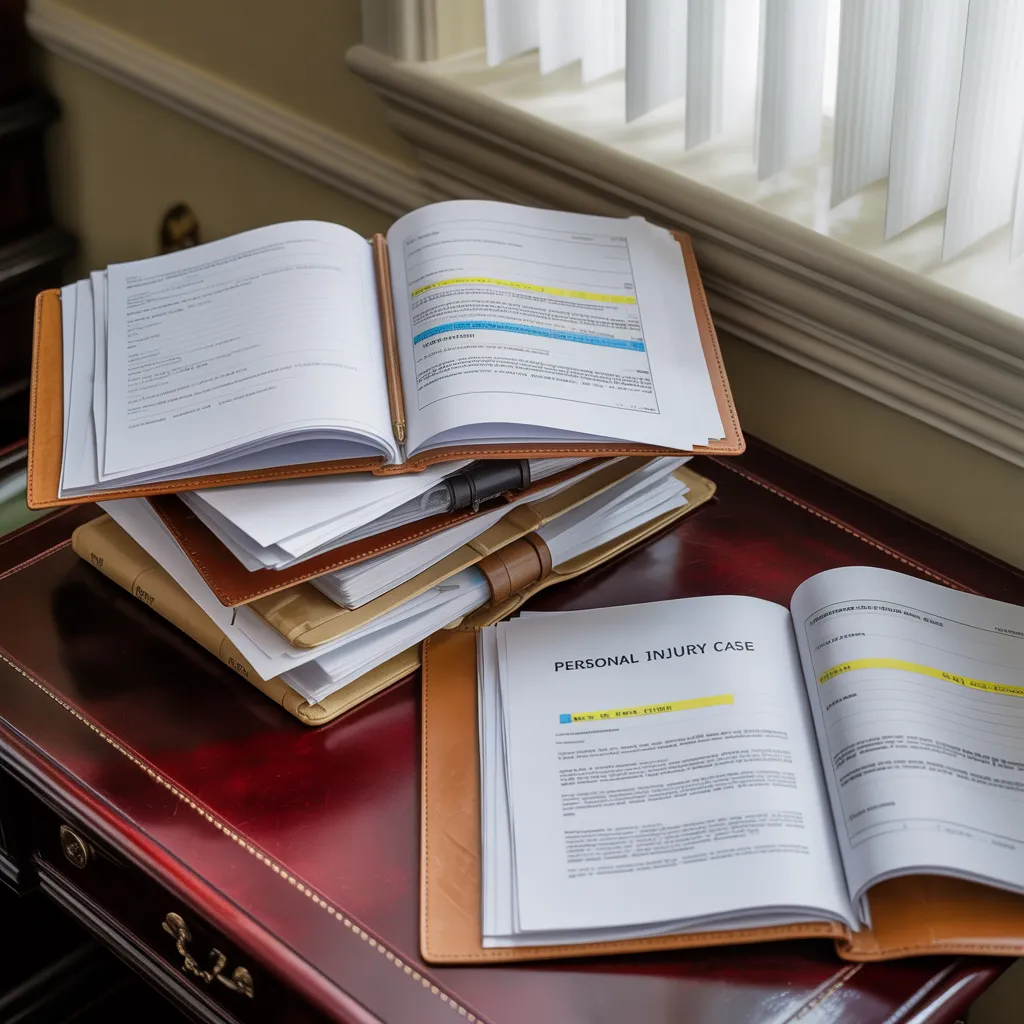
Essential Procedures to Execute After an Accident
Following an accident, individuals must act swiftly to protect their legal protections and well-being. The first step requires maintaining security; those affected should check for harm and, if possible, relocate to a safe location. Calling emergency services is critical, as healthcare support may be required for damage that are not immediately visible.
Next, people should notify the authorities to document the event formally. This documentation can be significant mistakes to avoid after a car accident in subsequent legal proceedings. It is also essential to exchange contact and insurance information with all parties involved.
During your time waiting for authorities, assembling initial observations and witness statements proves valuable. Recording images of the scene, auto damage, and any visible wounds can facilitate future claims. In conclusion, individuals ought to think about consulting with a personal injury lawyer to consider potential legal proceedings, maintaining their rights from the outset.
Methods to Compile Documentation for Your Case
Collecting information is crucial for building a strong case after an accident. Initially, individuals should record the scene by taking photographs of any harm, road conditions, and relevant traffic signs. This visual evidence can offer context and support claims. Additionally, gathering testimony from witnesses can be invaluable; names and contact information should be documented for follow-up.
Medical records are also crucial, as they establish the extent of injuries and link them to the accident. Keeping all documentation, including police reports and correspondence with insurance companies, is vital for substantiating claims.
Furthermore, protecting any tangible proof, such as damaged personal property or apparel, can also reinforce a case. Finally, maintaining a comprehensive log of events and experiences post-accident can illuminate the effect on everyday activities. By methodically gathering this data, individuals can create a solid base for their case.
A Injury-Related Lawyer's Role
In what way can a injury counsel substantially change the outcome of an injury litigation? Their expertise is vital to working through the complications of the court system. A injury counsel renders important guidance on the protective laws and options available to the plaintiff. They conduct extensive investigations to secure evidence, establish liable parties, and evaluate the total extent of damages, confirming no major details are disregarded.
Additionally, these attorneys possess bargaining abilities essential to dealing with insurance companies and opposing counsel. They understand the tactics often used to minimize settlements and can help clients counter these strategies effectively. By advocating for the client in court, if necessary, they fight for fair compensation, leveraging their knowledge of relevant laws and precedents. Overall, a personal injury lawyer serves as a crucial ally, providing both legal expertise and emotional support, ultimately aiming for the best possible outcome for their client's case.
Strategies for Tackling Insurance Discussions With Assurance
Managing insurance discussions can be a tough situation for many people after an incident. Confidence is essential, and readiness contributes to getting there. First, understanding the full extent of damages, including healthcare expenses, lost income, and emotional harm, is essential. Assembling thorough records can back up claims and establish negotiating strength during talks.
Next, people should investigate their policy terms and comprehend the coverage boundaries and exclusions. This knowledge enables them to counter lowball offers successfully. Engaging a personal injury lawyer can also enhance confidence; their expertise helps interpret complex legal jargon and tactics employed by insurance adjusters.
Furthermore, remaining calm and poised during talks creates a professional atmosphere. Practicing bargaining skills and anticipating objections can additionally bolster one's stance. By implementing a calculated method and leveraging solid evidence, individuals can handle insurance discussions with greater assurance and success.
Essential Legal Paperwork for Your Lawsuit
After managing insurance negotiations, individuals may find themselves ready to file a legal action if adequate compensation is not achieved. To begin this procedure, several key legal documents are necessary. The petition serves as the foundation, detailing the claimant's claims against the defendant and the damages requested. The summons, provided with the petition, informs the defendant of the legal action and gives instructions for their response.
In addition, the plaintiff may need to submit a case information statement, which summarizes the case, and any pertinent documentation, such as medical records or accident reports, should be meticulously gathered. Requests for admissions and interrogatories may also be utilized to gather details from the opposing party. Collectively, these documents establish the framework for the lawsuit and enable the advancement of the case through the legal system, ensuring that all parties are informed and that the claims are clearly articulated.
What You Should Know About a Legal Case Process?
What can participants expect when entering the courtroom for a trial? The atmosphere is often tense, with a judicial officer presiding over proceedings and a panel of jurors present to assess the facts. Participants will witness opening statements from both sides, outlining their claims and significant issues. Following this, witnesses may be summoned to provide testimony, and both sides will have the opportunity to question them.
Evidence, including documents and expert opinions, is presented to support each party’s case. The trial process typically culminates in closing arguments, where attorneys summarize their positions and urge the jury to reach a positive verdict. After deliberation, the jury will render a decision, which can greatly affect the lives of those involved. Throughout the trial, individuals can expect a organized environment where protocol and legal standards govern the proceedings. Understanding this framework can help alleviate some anxiety linked to the trial experience.
Regular Mistakes in Personal Injury Lawsuits to Avoid
In injury-related lawsuits, certain errors can greatly impede a case's success. Neglecting thorough medical documentation and delaying court proceedings are two typical mistakes that individuals often encounter. Identifying and preventing these errors is essential for a favorable outcome.
Failing to Consider Health Documentation
Ignoring medical documentation can severely undermine a personal injury lawsuit. Accurate and complete medical records serve as vital evidence, substantiating the extent of injuries and the necessity for treatment. When claimants neglect to secure or present these documents, they risk damaging their case considerably. Insufficient medical documentation may lead to disputes over the seriousness of injuries, making it difficult to establish liability or justify compensation claims. Moreover, insurance companies often rely on medical records to assess the validity of a claim. Failing to provide this essential information can lead to setbacks or denials. As a result, maintaining detailed medical documentation throughout the treatment process is essential for the success of a personal injury claim.
Postponing Court Action
Postponing legal action can significantly hinder a personal injury lawsuit's result. When people delay filing their claims, they risk losing important evidence, like witness testimonies and physical documentation, which weakens their case. Additionally, statutes of limitations set firm deadlines for filing lawsuits; missing these deadlines can cause a total loss of the right to seek compensation. Delays may also affect the ability to get proper medical treatment, causing complications in proving injury severity. Furthermore, insurance companies might exploit the delay to question the claimant’s credibility, implying the injuries were minor. Therefore, acting promptly is essential for increasing the likelihood of a favorable outcome in personal injury cases.
Common Questions Asked
How much duration Do I Have to file a Personal Injury lawsuit?
The deadline for submitting a personal injury lawsuit usually ranges from one to three years, depending on jurisdiction. It is important that individuals speak to legal professionals quickly to ensure they satisfy necessary deadlines.
What Types of Compensation Can I Obtain for My Damages?
Individuals may get various compensations for wounds, including hospital costs, earnings loss, pain and suffering, emotional distress, and punitive damages. The specific amount and types are determined by the circumstances surrounding each case and applicable laws.
Can I Still Take Legal Action if I Was Partially at Fault?
Yes, an individual can still sue even if partially at fault. Many legal systems allow lawsuits to continue, adjusting compensation based on the level of responsibility, ensuring fairness in the settlement process despite mutual fault.
How Are Bodily Harm Agreements Generally Organized?
Personal injury payouts are typically designed to provide compensation for healthcare costs, income loss, emotional distress, and sometimes additional penalties. Payments can be made as a single payment or through periodic payments over time.
What Happens if the Defendant Cannot Cover the Settlement?
When the defendant cannot pay the settlement, the plaintiff may pursue alternative options, such as asset seizure or garnishing wages. In some cases, the plaintiff might be required to obtain compensation through insurance policies or government programs.